The Power of Functional Nutrition: How Food Shapes Health in 2025
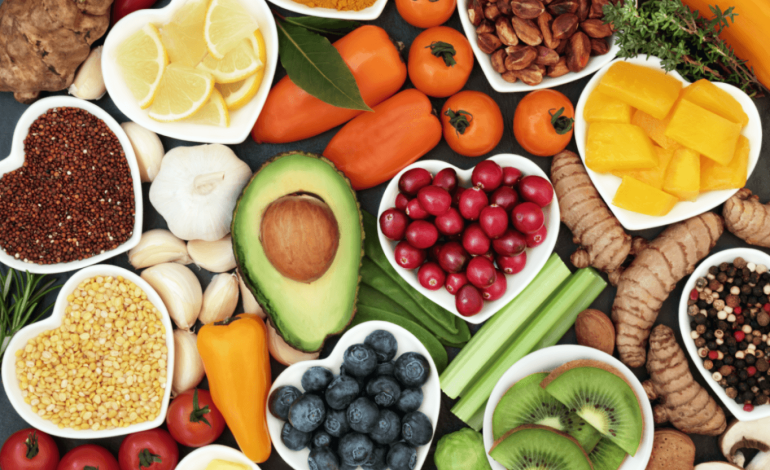

Food is more than fuel—it’s medicine, culture, comfort, and one of the most influential factors in our long-term well-being. As research on gut health, metabolism, and preventive care expands, the connection between what we eat and how we feel has never been clearer. In 2025, the concept of functional nutrition—using food intentionally to support both daily health and long-term disease prevention—has become central to modern wellness.
This article explores how functional foods impact health, emerging nutrition trends, practical eating strategies, and the science behind building a strong, resilient body through balanced nutrition.
1. Understanding Functional Nutrition
Functional nutrition focuses on using whole foods to support the body’s systems at the cellular level. Instead of looking at isolated nutrients, it considers how food components work together to improve health outcomes.
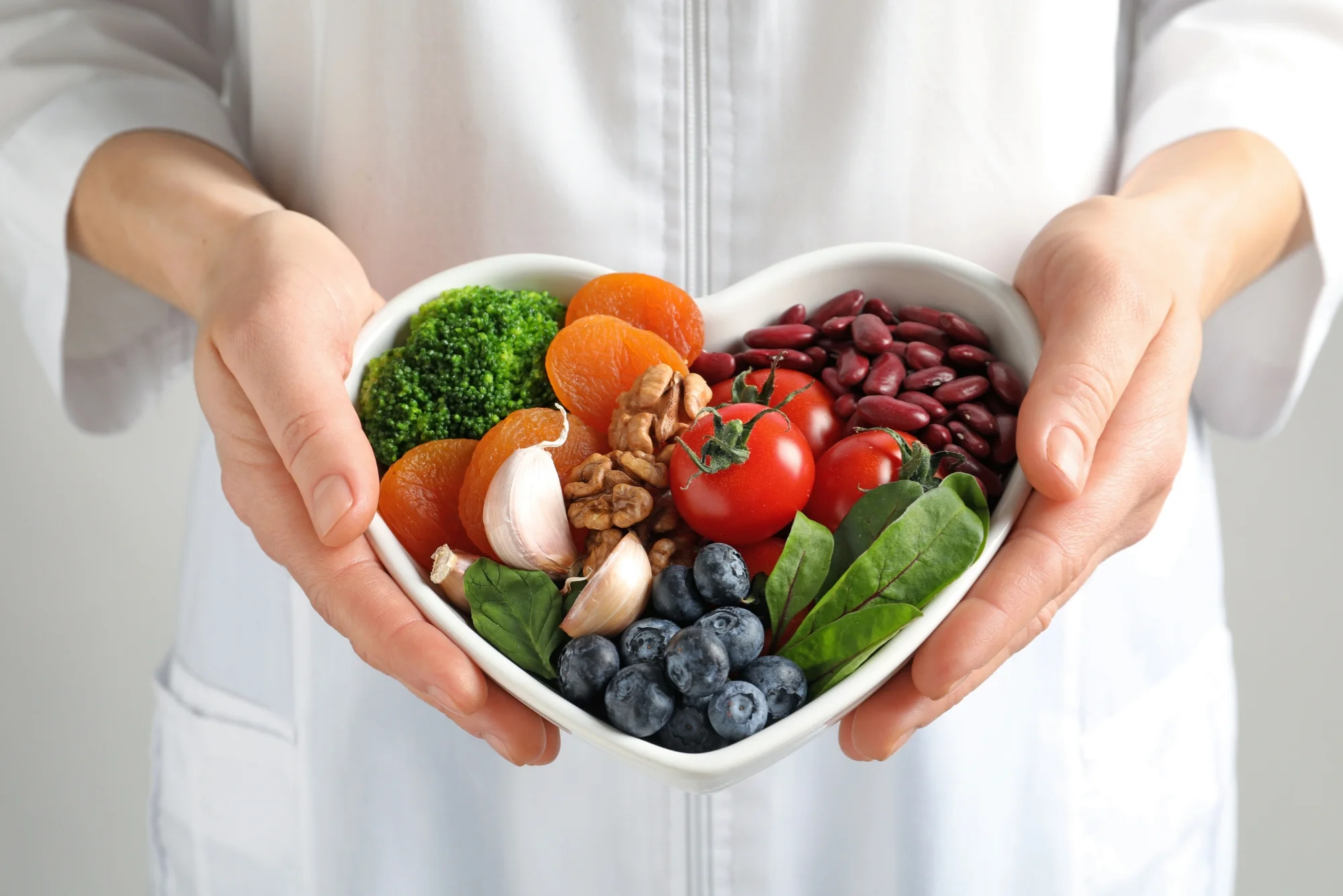
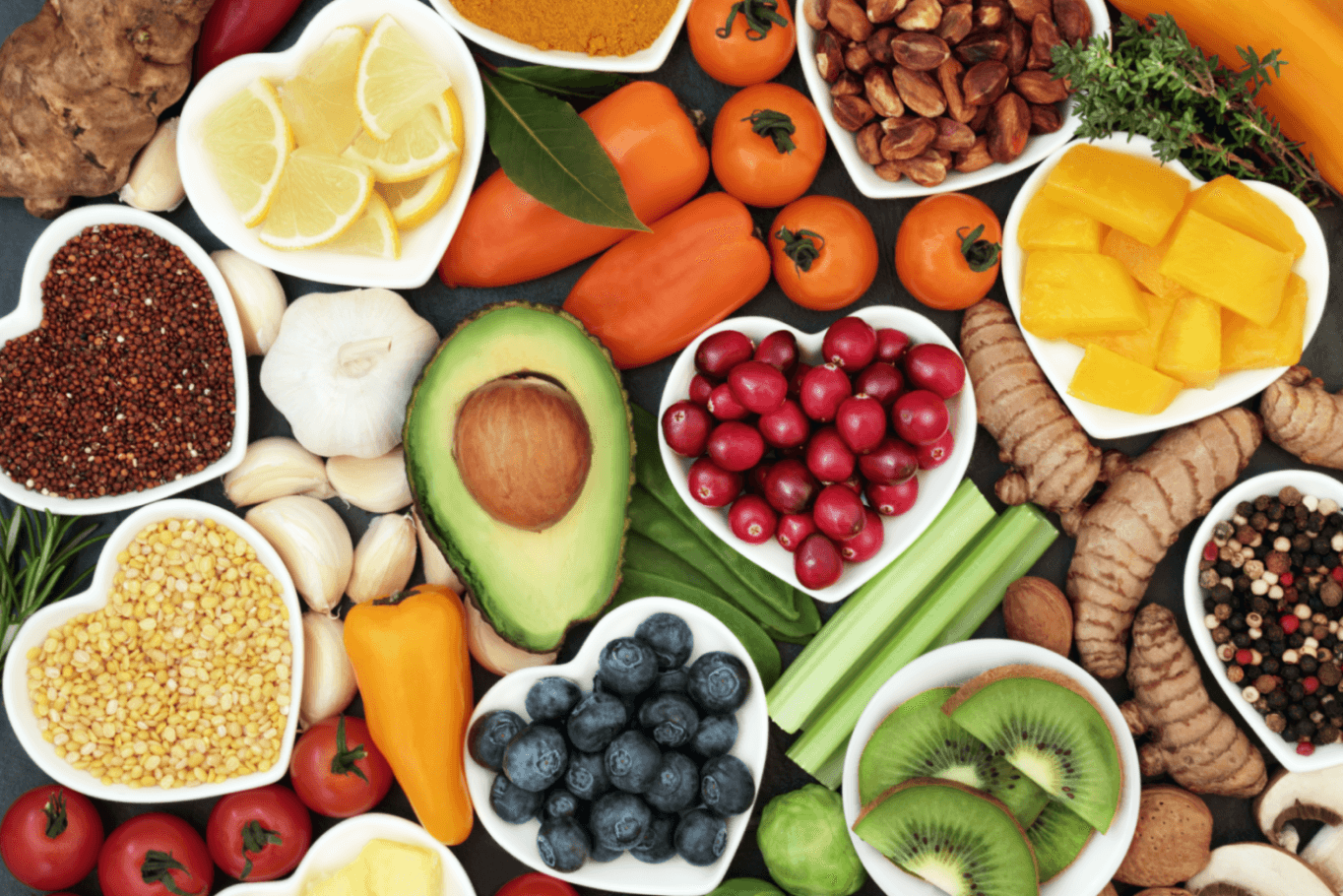
Functional foods include:
-
Probiotic-rich yogurts and fermented foods
-
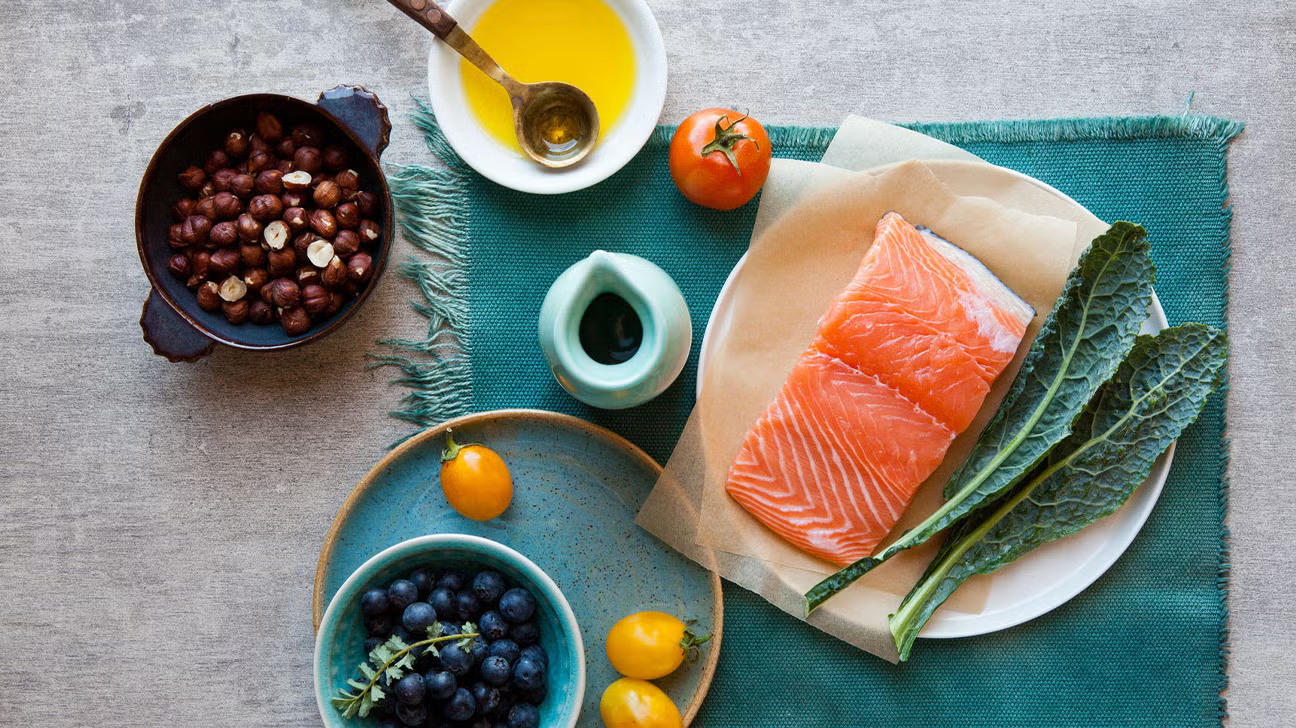
Omega-3 sources like salmon, walnuts, and chia seeds
-
Antioxidant-packed berries and leafy greens
-
Fiber-rich whole grains and legumes
-
Anti-inflammatory spices such as turmeric and ginger
These foods don’t just provide calories—they help regulate digestion, support immunity, optimize brain function, and balance hormones.
2. The Gut–Health Revolution
In recent years, gut health has become one of the most important topics in nutrition science. The human microbiome—trillions of bacteria living in our digestive tract—plays a major role in health.
A balanced microbiome supports:
-
Strong immunity
-
Stable mood and mental health
-
Better nutrient absorption
-
Healthy metabolism
-
Reduced inflammation
However, poor diets high in processed foods, sugar, and artificial additives can disrupt gut balance, leading to issues like bloating, fatigue, and long-term chronic conditions.
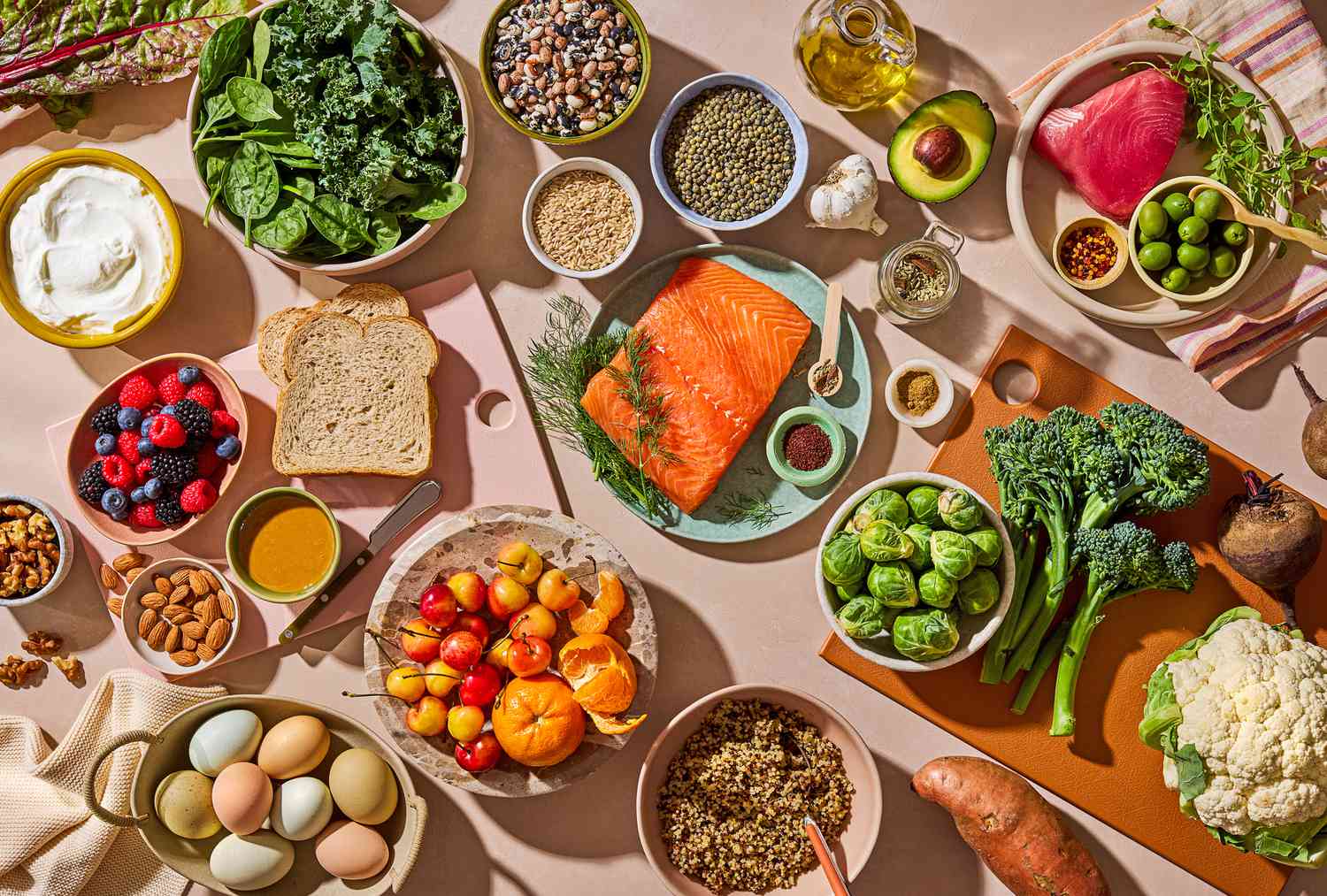
Foods that support gut health:
-
Fermented foods: kefir, kimchi, sauerkraut
-
Prebiotic fibers: bananas, oats, asparagus, onions
-
Polyphenols: berries, green tea, dark chocolate
Nourishing the gut with these foods is a key pillar of functional nutrition.
3. Anti-Inflammatory Eating: A Foundation for Longevity
Chronic inflammation is linked to many modern health issues, including heart disease, diabetes, arthritis, and brain degeneration. Fortunately, nutrition can significantly reduce inflammation.
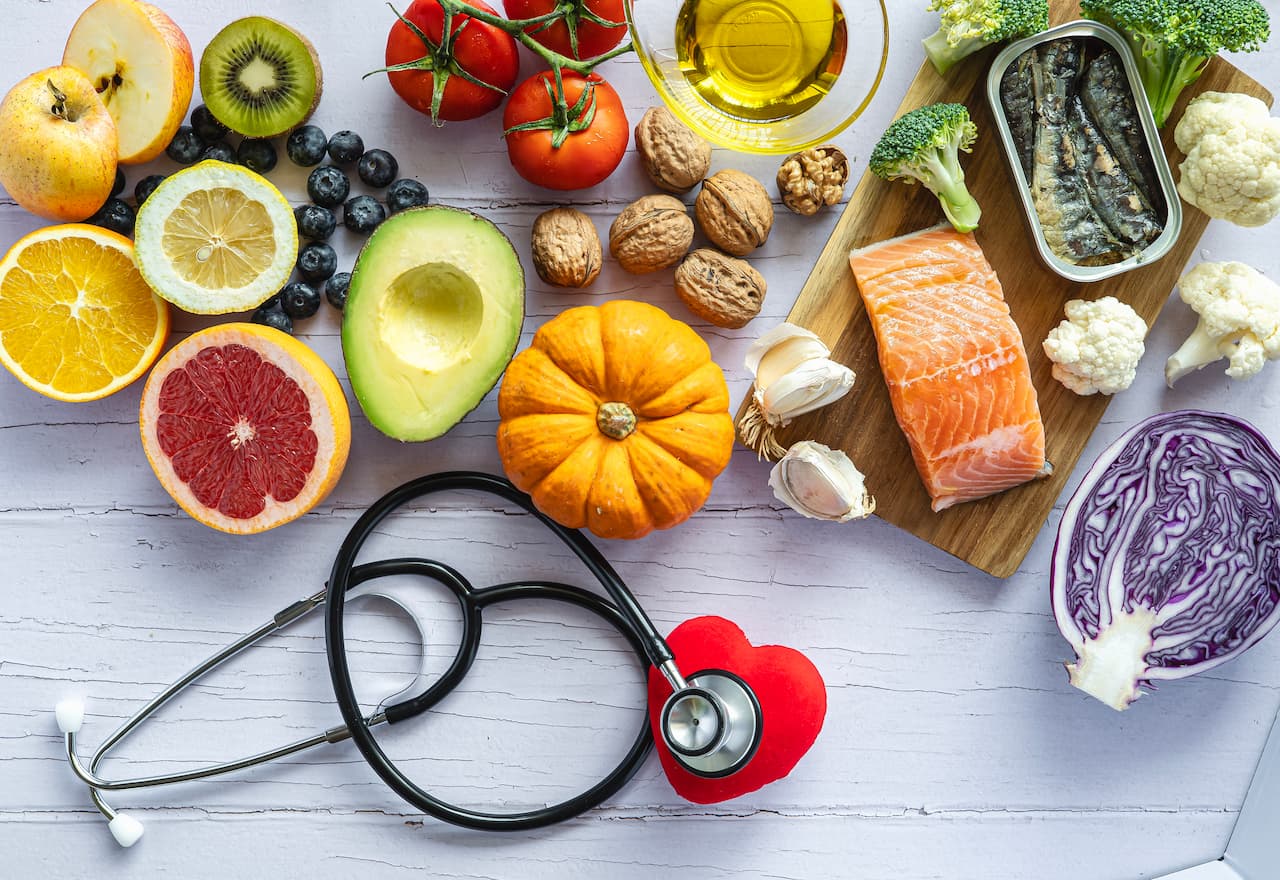
Key anti-inflammatory foods:
-
Leafy greens like kale and spinach
-
Fatty fish (salmon, sardines)
-
Berries and citrus fruits
-
Nuts, seeds, and olive oil
-
Herbs like oregano, rosemary, and garlic
Inflammation is also worsened by:
-
Excess sugar
-
Highly processed foods
-
Trans fats
-
Excess alcohol
An anti-inflammatory diet helps reduce oxidative stress, promote longevity, and support overall vitality.
4. Personalized Nutrition: A Growing Trend in 2025
Technology is transforming how people approach healthy eating. Personalized nutrition considers factors such as genetics, metabolism, allergies, gut microbiome, and lifestyle habits.
Tools shaping personalized nutrition include:
-
At-home microbiome testing
-
Metabolic monitors and glucose sensors
-
AI-powered diet apps
-
Virtual nutrition coaching
These tools allow individuals to understand how specific foods affect their energy, digestion, and performance. Rather than following a universal diet trend, people can now make choices tailored to their biology.
5. The Rise of Plant-Forward Diets
While not everyone chooses to go fully vegan or vegetarian, plant-forward diets continue to rise due to their powerful health and environmental benefits.
Benefits of plant-forward eating:
-
Improved heart health
-
Better digestion
-
Reduced risk of chronic diseases
-
Higher intake of fiber and antioxidants
-
Lower environmental impact
Plant-forward diets focus on whole, minimally processed plant foods while allowing flexibility for high-quality animal products.
Popular approaches include:
-
Flexitarian diets
-
Mediterranean diet
-
Whole-food plant-based eating
-
Sustainable seafood diets
These diets emphasize balance, variety, and nutrient density.
6. Protein Quality and the Role of Sustainable Sources
Protein remains vital for muscle repair, metabolism, and immune function. In 2025, the emphasis is shifting toward quality and sustainability.
Healthy protein choices include:
-
Fish and seafood
-
Poultry
-
Beans, lentils, and chickpeas
-
Greek yogurt
-
Eggs
-
Nuts and seeds
Sustainable proteins—such as plant proteins, lab-grown options, and responsibly harvested seafood—are becoming more widely available.
7. The Power of Hydration and Electrolyte Balance
Water plays an essential role in digestion, temperature regulation, and cognitive function. Yet many people underestimate hydration’s importance.
Electrolytes such as sodium, potassium, and magnesium are crucial for:
-
Muscle function
-
Heart rhythm
-
Nerve signaling
-
Fluid balance
Hydration tips:
-
Drink water consistently throughout the day
-
Include hydrating foods: cucumbers, watermelon, citrus
-
Replenish electrolytes after sweating or exercise
-
Limit excessive caffeine and alcohol
Proper hydration improves energy levels and supports overall health.
8. Smart Snacking for Better Energy and Metabolism
Snacking isn’t the enemy—poor snack choices are. Smart snacking keeps energy stable and prevents overeating.
Healthy snack ideas:
-
Almonds or walnuts
-
Greek yogurt with berries
-
Hummus with vegetables
-
Whole-grain crackers with tuna or avocado
-
Smoothies with spinach and protein
Balanced snacks include protein, fiber, and healthy fats.
9. Understanding Food Labels and Avoiding Hidden Ingredients
Modern food labels can be confusing. Many packaged products contain hidden sugars, preservatives, and chemical additives. Understanding labels helps consumers make healthier choices.
Ingredients to minimize:
-
High-fructose corn syrup
-
Artificial sweeteners
-
Hydrogenated oils
-
Artificial colors and flavors
-
Excess sodium
Whole, unprocessed foods remain the foundation of optimal nutrition.
10. Mindful Eating: Nourishing Body and Mind
Food affects mental health as much as physical. Mindful eating—being fully present while eating—improves digestion, reduces stress, and prevents overeating.
Ways to practice mindful eating:
-
Eat slowly
-
Remove distractions
-
Savor flavors and textures
-
Listen to hunger cues
-
Choose foods that support emotional well-being
Mindful eating turns food into an intentional act of self-care.
11. The Future of Health and Food
In the coming years, several trends will shape the future of nutrition:
AI-Driven Meal Planning
Apps will create custom meal plans based on health data, microbiome results, and nutrition goals.
Precision Supplements
Supplements designed for individual genetics and metabolic patterns will become more common.
Hybrid and Functional Foods
Foods fortified with probiotics, adaptogens, and nutrient blends will support immunity, energy, and mood.
Sustainable Farming
Regenerative agriculture will become central to producing nutrient-rich foods without harming the planet.

Conclusion
Food is one of the most powerful tools we have for shaping long-term health. Functional nutrition, personalized eating, and science-backed dietary habits help prevent disease, improve vitality, and support mental well-being. By choosing whole foods, prioritizing gut health, staying hydrated, and practicing mindful eating, individuals can live stronger, healthier, and more energized lives.
In 2025, the future of health and food is not about strict diets—it’s about understanding your body, choosing sustainable nourishment, and building a lifelong relationship with food that supports both physical and emotional wellness.